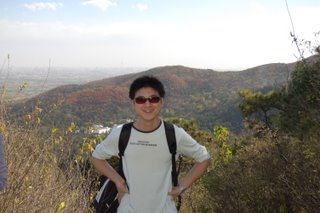
黑胡子:"人的梦想是不会完结的!!!!!!不是吗?"

星期一, 五月 21, 2007
厌恶自己
一次同学跟我说:"用新买的小刀轻轻地碰一下手指,血马上就出来了."出于好奇或者是无知,于是真的去买了一把小刀,割了一下,果然血马上就涌出来了,并伴随着一种莫名的阵痛。哦,果然是这样!是傻子还是傻子啊??没过两天,那血和阵痛早已不在记忆中,又重新实践了一次,不知道是不是白痴!!我算彻底的了解自己了,其实就算是当时我把整个手指给切下来,在将来的某一个时刻,还是会犯同样的错误的!!
昨天注定是必须遗忘的日子,仿佛被下了咒语一般,犯了一个天大的错误,不论是对于现在还是将来!现实经历,不是在梦中,后怕,想着以前害怕的事情总是在梦中出现,犯了错总希望快点醒来,因为不是真的,但这次不是!赤裸裸血淋淋的事实告知了自己的无可救药,击碎了那点虚无飘渺的信心,千算万算,没把自己的不可理喻算进去,用赌徒的话来说就是赢了一晚输在天亮,总是要靠近终点的时候控制不了自己,把自己之前的努力毁于一旦!一个人如果不能吸取经验教训的话,那他是不是白活了!一步错,步步错,或许是这样,如果非要把毫无相关的事情给联系在一起,我现在可以去关窗开煤气了!借口不是可以随随便便找的!
很多事情,不是A就是B,对于我这样的人,最好不要有一种中间状态存在!!中间状态是一种非常危险的选择!!我这样的笨蛋是最善于去寻找一些中间状态的!我要告诉自己的是我的世界没有中间状态!!!
星期四, 五月 17, 2007
无我的信心
抄录几段克里希拉穆提,source《人生中不可不想之事》:
我想如果我们现在来思考一下什么是信心,信心又是怎么产生的,是十分值得的一件事。
我们如果采取主动,就可以得到信心,但是,我们的主动精神如果是被传统模式所限制,这份力量只会带来对小我的信心,它与无我的信心是完全不同的。
你知不知道有信心是什么意思?你种一棵树,然后看着它长大,你画一幅画,写一首诗,或者当你年长后,你造一座桥,或是把行政工作做得非常好,它们都会给你一种有能力做事的信心。但是我们目前所知道的信心,都出自社会的限制与模式;受社会模式限制而产生的主动力量,依然可以带来某种程度的信心,因为你觉得自己可以做些事情,譬如你可以设计一部汽车,做一个非常好的医生或杰出的科学家等。
但是这份信心出自于能够在社会模式中成功、有成就及从事改革等,因此这份信心只是一种自我的、小我的信心,因为你知道自己可以做一些事,做这些事使你觉得重要。然而当你做了一番研究及了解,突破了所属的社会结构以后,你会得到不同种类的信心,而且这种信心不会带给你自以为重要的感觉;同时,如果我们能了解小我的信心与无我的信心之间的不同,我们就会产生很大的意义。
假设你精通于一项运动,譬如羽毛球、板球或足球,你会得到某种程度的信心,不是吗?它带个你一种自己把事情做得相当不错的感觉。如果你很快就能解答数学题目,这也能使你产生对自我的信心。
你在社会结构内成就了一些事情,于是你产生了信心,但这份信心总是伴随着奇怪的自大,不是吗?一个能做事、能得到成果的人的信心,总是被自我的傲慢所染着,被“这是我们做的”这种感觉染着。所以在我们想获得成果的行动中,在我们局限于传统模式而想获得成果的行动中,在我们局限于传统模式而想达到的社会改革中,总是存在着自我的傲慢,一种“我”做成了一件事的感觉。我们总认为“我的”想法是重要的,“我的”的团体成功了。如果我们的信心是出于社会的限制,那么这份信心不可避免地要带来“我”及“我的”感觉。
你可曾注意理想主义者是多么傲慢?那些政界领袖取得了某些成果,成就了大的改革之后,你可曾注意到他们充满了自我感、自我的骄傲,在他们的理想及功劳中自我膨胀?他们把自己评估得非常重要。如果你读一些政治的言论,观察一下这些自称改革的人,你会发现在改革的过程中,他们同时在发展自己的自我感,他们不论做了多大的改革,这份改革仍然被限制在社会的监牢中。因此这些改革是破坏性的,最终还是代给人类更多的不幸及冲突。
如果你能看透整个社会的结构,看透这个称为文明的集体意志的文化模式;如果你能了解这一切并从中突破,突破你所属的社会的牢墙,你就会得到不被傲慢污染的天真,这就是天真的信心。
它就像一个孩子的信心,还是是完全天真的,他会试验任何事情,这份天真的信心就会带来新的文明。但如果你停留在社会的模式中,你是不会得到这份天真的信心的。
请务必仔细听这些话,教育的目的不是让你适应社会模式,相反,它是要帮助你完全地、深入地、充分地了解所有的事物,然后从社会模式中突破,如此你就不会成为一个傲慢的人;但因为你是真正天真的,所以你具有信心。
我们大部分人都只关心如何去适应社会,或在体制内改革。这不是一个很大的悲剧吗?你可曾注意到你们所问的大部分问题都反映了这种态度?实际你们是在问:“我该如何适应社会?我的父母会怎么说?如果我们不听话会如何?”这种态度毁灭了你所有的信心及主动力。你离开学校,就像许多自动机器一样地工作,也许是高效率的机器,却没有一点创造的火焰。因此,了解这个社会及生活环境是非常重要的,而且我们要在了解的过程中突破。
……
星期三, 五月 16, 2007
又失眠了
很久没有失眠了,自从一月份上班以来!昨天晚上没睡着,基本上吧!北京的夏天如期而至,我个人是很喜欢北京夏天的,因为夏天皮肤不会干燥过敏,想着北京的冬天就不寒而栗,天哪!夏天唯一的不满就是蚊子太多了,昨晚上就是蚊子咬得睡不着觉的,对,早上起来浑身都是红点,买蚊香没有用的,可能身上太脏了,好几天没洗澡了,还是冬天好,日子一天天过根本没有什么现象提醒该洗澡了,不像夏天身上会发臭!
奇怪的是,今天一整天都不困,相反还精神饱满,程帆一直说我睡觉特别紧张,全身好像痉挛一样,一直都不信!前两天他和康子照了张相给我看,我才明白,什么叫千奇百怪了!原来睡觉是消耗精力的一件事,不睡反倒能更精神!呵呵,只是不能想象程帆怎么忍受才能过这一年的同床生活的,难为他了~~~
奇怪的是,今天一整天都不困,相反还精神饱满,程帆一直说我睡觉特别紧张,全身好像痉挛一样,一直都不信!前两天他和康子照了张相给我看,我才明白,什么叫千奇百怪了!原来睡觉是消耗精力的一件事,不睡反倒能更精神!呵呵,只是不能想象程帆怎么忍受才能过这一年的同床生活的,难为他了~~~


星期一, 五月 07, 2007
五一假期
七天忽的就过去了,在还未来得及计划之前!
大学同学聚会,聚完了就完了,没有想象中那般感慨良深,呵呵,也许是见得太频繁了吧!
有些事情做的不够圆满,总是会犯大男子主义的毛病,强加价值观于别人,或者是用自己的价值观去看人,比如说从自己的角度看某个人是傻逼,其实呢,自己才是!很是需要修正,凡事动点脑子吧!
五月四号那天突然接到一个电话,竟然是我的一个表姐,说她也在北京,还买了房,叫我过去找她玩,在我的印象中,好像上小学时见过一面,从那以后就于我了无音讯了,抽个时间过去看看吧!
我这七天做了些什么呢,怎么什么也想不起来!
曼联提前两轮加冕联赛冠军,没有想象中激动!结果出现后,是好是坏,心情总会变得更平静些!
大学同学聚会,聚完了就完了,没有想象中那般感慨良深,呵呵,也许是见得太频繁了吧!
有些事情做的不够圆满,总是会犯大男子主义的毛病,强加价值观于别人,或者是用自己的价值观去看人,比如说从自己的角度看某个人是傻逼,其实呢,自己才是!很是需要修正,凡事动点脑子吧!
五月四号那天突然接到一个电话,竟然是我的一个表姐,说她也在北京,还买了房,叫我过去找她玩,在我的印象中,好像上小学时见过一面,从那以后就于我了无音讯了,抽个时间过去看看吧!
我这七天做了些什么呢,怎么什么也想不起来!
曼联提前两轮加冕联赛冠军,没有想象中激动!结果出现后,是好是坏,心情总会变得更平静些!
星期四, 五月 03, 2007
星期六, 四月 28, 2007

星期一, 四月 23, 2007
轮回
 十八年后,国际米兰终于在赛场获得了15个冠军,对于我这个曾经的国米球迷,也有些淡淡的欣喜!为了那些一直以来默默支持她的球迷,为自己曾经的蓝黑情结!坚持到底必定能有回报,不仅仅针对莫拉蒂和蓝黑球迷,而是针对所有的人!想起02年的痛苦之夜,眼泪,除了感动,还会让人绝望!冥冥之中自有轮回,当年的联赛冠军现在成了乙级联赛冠军的追逐者,命也?非也?对于莫拉蒂和国米现在球员球迷,这是一个幸福的时刻,一个感动的时刻,对于罗纳尔多,维埃里他们来说呢,我并不清楚他们心中的滋味,只是没有他们当年的痛苦的经历,肯定不能赋之如今的欢乐以解脱、宣泄之感。02年的我绝对想不到今天这样一个场景,当年在痛苦无奈之余,想到的是怎么搞一把枪把格雷斯科给杀了,呵呵!
也不知道是什么时候,忽然发现周围的事物经过了很长的时间,又都重新回到了原来的轨道,无论是球队的浮浮沉沉,还是家庭的喜怒哀乐,国家的分分合合,甚至是你吃饭的口味,选择回家的路,选择人生的路……时间总是可以让某些事物发生很多种轮回。
俗话说“三十年河东,三十年河西”,生活中的事情不论大大小小好像总能验证它!轮回总让我们不得不感叹一些事情的发生,或好或坏,你不得不去做一个旁观者,但仅仅做一个旁观者,就不得不让你感觉到那种惊心动魄,尤其当那种结果将会影响很多人的时候。站在生活的角落,看轮回的起起落落的感觉并不是很好,就像你想知道你自己是怎样活得更好的,却永远不想知道你是怎么死的。人就是那么奇怪的动物……
但你却不得不接受这个事实,万事皆有轮回。就像日出日落,花开花败……轮回本来就是一种生命的自然。重新回到零点的感觉,也许就像自然界中的日落了,花败了,万物都已经重新回到了初始……我们经历了一个个轮回,又经历了什么?又改变了什么?也许没有人真正知道,也许常常吃旁边的菜馆,会知道自己哪一天会腻;也许常常走同样的路,会知道自己哪一天会烦;也许常常接触同样的人,会知道自己哪一天会倦……但你却不知道你会经历多少次轮回才会明白自己会有所变化,也许只是那天别人的一句菜不好吃,也许只是那天广播的一句路堵,也许哪天你突然哪天你发现那个人根本就不是想象中的那个人……但那也许并不是你自己本身的最根本的变化,也许那早已经潜移默化在你的心里,也许那只是一个外因。而那最根本的变化只是在轮回中默默地改变你,改变你对于外界的看法,改变你对于人生的认知,改变你对自己的理解,就像小草的那种萌芽,你不会知道,但确实改变。
我们真的应该感叹上帝的创造,他给予世界的远远不是一个简单的世界而已,这个世界有太多的轮回,有太多的潮起潮落,起起伏伏,看生命的轮回,看人的轮回,看事物的轮回,会有太多的东西让人感叹。这也许就是史书所能带给我们的,当一件事,就像宿命一样,从很遥远的年代,再次发生在我们的身边的时候,我们的震撼,却远远比这个事件本身带来的震撼更多。也许经历过无数次以后,我们就会明白那种轮回的含义,它并不像它再次发生那么简单和直白。
附上02年5月6号的一篇日记:
2002.5.6 大风
国际米兰输球了,我的心也快碎了,只须赢一场球,就能获得阔别12年之久的联赛冠军......
我的国米离冠军就差之毫厘,而死斑马却在庆祝夺冠,怎么会这样?我不想找原因,我只要冠军。我不明白自己为什么会对国际米兰情有独衷,其实很多事情是找不到理由的,既然这样,也没必要解释什么,自我安慰并没有用,我只知道我的心在流泪,就像冰冷的刀子斜刺里面,其实应该是在流血,为什么受伤的总是我?为什么?仰天长叹,WHY?我好像绝望了。
其实有很多机会能赢下这场球的,该死的格雷斯科,命运为什么要出现这样一个人,事情为什么要这样发展,是偶然的吗?不敢完全否认,这是有必然性的,实力不济,对自己的实力不敢肯定,真的是这样?像老妇人一样,好像万事万物都在掌握之中,其实它就有这个实力,自信!看着罗纳尔多伤心欲绝的眼泪,维埃里落寞的身影,命运真是会捉弄人!大可不必这样,你们已经付出了自己的努力,只是没有上天的眷恋罢了!
唉,自己也不要患得患失了,坦然面对吧。不论成功或失败,看轻一些,就是这种飘飘的感觉。什么事发生都不是世界末日,收拾一切,从头再来,如果真的造化弄人,那也是天意,摆正心态,勇往直前,没有什么不可以!!
突然发现自己很会自欺欺人,也突然发现死斑马是靠假球赢得冠军的,最终我还是放弃了国际米兰,最终国际米兰得到了冠军,这已经就够了!
结局?
情况变得越发的复杂难猜了,还剩四轮,客观条件对曼联非常的不利,难道一个赛季的努力将要以失败告终?难道自己一年的期待又要落空,我不知道,不清楚,谁又知道呢??总感觉生活像及了轮盘赌,永远也不知道下一秒将会发生什么,悲剧还是喜剧??生活从某个角度看是非常奇妙的,另外一个角度去看却又残忍无比!
“All's well that ends well”,莎士比亚用这个命名了他的一部喜剧,中文译为《终成眷属》。剧中第四幕中有这样一段话:Our wagon is prepar'd,and time revives us;/All's well that ends well;still the fine's the crown;/Whate'er the course,the end is the renown.(车子已经预备好,疲劳的精神也已经养息过来。万事吉凶成败,须看后场结局;倘能如愿以偿,何患路途纡曲。)
曼联能最终夺冠的话,一路走来时的欣喜、悲伤、快乐、痛苦、担忧、辛苦........这些又算得了什么呢??能夺冠当然好,可是事情未结束之前始终都不能确定结局如何,这是生活之奥妙,伴随着对最终获得一个好结果的希望,生活也就充满了动力。康子就是身边一个很典型的例子,考试终于通过了,之前那些难以下定的决心,痛苦的忍耐,执着的刻苦,一切的一切,所有的困难,都可以淡然试之了,因为结局是好的!!
今天下班后,和纪总聊了聊的转正的事情,很遗憾我并没有表现出我的坦诚!纪总是一个人格魅力很强的成功女人,言传身教,让我明白了很多事情,从个人角度看我很希望有这样一个领导,追随她,确信能有所成就!为了自己的一点私念,而让她的计划有所改变,这样做并不理智!虽然她能很快很好地处理,但是对于自己又是负责的吗??罗彬刚打了电话过来,健雄那边也是,结局会是什么样子呢?呵呵,这是完全是自己的事情,却仍不确定,根本就是奥不奥妙的事情,感觉就是轮盘赌,什么都是小概率事件,而这一切都交付于运气!纪总肯定不会有这样的烦恼,她是一个基本上能把握自己所有的事情的人,认清自己的无知和幼稚并不是悲剧,如果不迅速的做出一个决定,即使是武断的也好,那最终将不会是喜剧!
对辞职这件事来说,其实辞的并不只是职,而是现在这种日渐确定的生活——安逸、固定、简单,等待我的是一个决心,一种勇气,辛苦甚至是痛苦,复杂不堪,却能更快让我告别轮盘赌式的生活!我该,我该如何是好,最难的是开始,也许吧!之前的决心呢?我能略微体会康子当时的牺牲和勇气了~~~~~~~~
这次我要勇敢的决定,并且,永不后悔..................
星期日, 四月 22, 2007
星期六, 四月 21, 2007
无题
又一件事告一段落了,曾几何时,愁得有如热锅上的蚂蚁,只能干瞪眼,却毫无办法,事情总是有转机的,不是吗??想想上个礼拜的心情,确实松了一口气!自怨自唉确实于事无补,对事情的预判性不强也是一个原因,落在生活的后面总不是件好事!
国际米兰终于没有脱离她的劣根,看着场上队员战栗和怯懦的表现,好像和02年并没有两样。改变一种气质是需要时间和经历的,不然类似的场景会重复不断的出现!
妹妹她们今天凌晨四点出发开往大兴军训基地,那个曾经也留下我们汗水的地方!年年岁岁花相似,岁岁年年人不同,大概那些教官总能有这样的感慨吧!
今晚12:00,曼联:米德尔斯堡!拭目以待~~~~~~~
明天去潭柘寺,放松一下心情~~~
国际米兰终于没有脱离她的劣根,看着场上队员战栗和怯懦的表现,好像和02年并没有两样。改变一种气质是需要时间和经历的,不然类似的场景会重复不断的出现!
妹妹她们今天凌晨四点出发开往大兴军训基地,那个曾经也留下我们汗水的地方!年年岁岁花相似,岁岁年年人不同,大概那些教官总能有这样的感慨吧!
今晚12:00,曼联:米德尔斯堡!拭目以待~~~~~~~
明天去潭柘寺,放松一下心情~~~
星期四, 四月 19, 2007
摘
The shameful admissions of an insatiable, impenitent, incurable research addict.
By Ron Chernow
To set the therapeutic record straight, I can date the onset of the incurable addiction that has addled my brain and proven so tormenting to my family and friends. On a balmy spring day in Cambridge 17 years ago, I sat in the Baker Library of the Harvard Business School and sifted through the labyrinthine papers of Thomas W. Lamont. As senior partner of the J.P. Morgan bank in the 1920s, Lamont -- elegant, urbane, with insinuating charm -- ruled as an unquestioned potentate of Wall Street as he decreed which sovereign states could raise money. And here I was reviewing a cache of 100,000 documents that would either be incriminating or exculpatory. By day's end, I had perused Lamont's correspondence with Nancy Astor, Charles Lindbergh and Franklin Roosevelt.
This was the first time I had ever dipped into primary documents, better known in the trade as "manuscript collections." As a self-styled historian, an old English major with a queasy sense of being a highbrow fraud with a first book contract, I felt that I had touched history -- the real, perishable stuff. That night, still agog, I telephoned my wife from Boston and confessed to something deeper than a mere thrill. After years working as a journalist, hazarding educated guesses about the dumb show of business and politics, I had the odd sensation of having burgled Lamont's office, rifled his papers, violated his privacy and unmasked his secrets. To be sure, I had duly submitted call slips, sat at my appointed chair as boxes were retrieved and handled documents as gingerly as I would saintly relics. Yet I experienced the delicious, illicit frisson of being a second-story man, a literary thief, a scholarly voyeur. There was something furtive, lawless and absolutely irresistible about the whole enterprise.
When I told skeptics at parties that I was writing a saga about a banking empire, they studied me with undisguised pity and intimated that bankers must make very dull subjects. But the Morgan partners were never boring and feigned dullness only as a shield to deter prying eyes. Their papers bulged with shocking secrets: propaganda work for the Japanese militarists, racy affairs with society ladies, sub rosa contacts with the White House and State Department. Like some crazed, feverish gambler in a Dostoyevsky tale, I could rattle off my favorite finds: Lamont to President Hoover five days before the 1929 crash: "The future looks brilliant!" Or Lamont advising Benito Mussolini to liken his invasion of Ethiopia to the heartwarming settlement of the American West.
Even the Morgan partners' most intimate possessions were neatly filed away. One day, at the University of Virginia, I was riffling through the papers of partner Edward Stettinius when I noticed a silk swatch poking from an envelope. I tugged at the fabric until I was holding aloft -- to the merriment of other readers in the library -- a handsome pair of sky-blue underwear, custom-made by a Chicago firm. In his private, orderly life, Stettinius maintained a separate underwear file, which he kept in tip-top order. Luckily for historians, the urge to preserve artifacts can be as compulsive as the corresponding urge to ferret them out.
As my friends can testify, my research disease only worsened with my second book, The Warburgs, an epic account of a German-Jewish banking dynasty that rose to power in Imperial Germany and was hounded into exile by Herr Hitler. Unlike the pristine bond paper of Morgan bankers, preserved in air-conditioned vaults, the Warburg documents in Hamburg looked like sad, haunted survivors, tattered, yellowing and blackened with soot. How they escaped the talons of the Nazis, who had "Aryanized" the Warburg bank in 1938, and how they had survived the fire-bombing of Hamburg, remain a mystery. I learned German and soldiered on with a dictionary and grammar book at my side. With my self-taught, bookish German, I couldn't even ask my way to the bathroom, but I somehow waded through documents in outmoded scripts and Gothic lettering. What sustained this madness was an urgent conviction that I was thrusting my hand into a fire and rescuing charred remnants from ruin. That's also part of the research pathology: a psychological need to arrest the inexorable decay that afflicts all human records.
Some archival finds can be easy, embarrassingly so. To expose the Morgan hugger-mugger with Mussolini, I simply looked up M for Mussolini in the beautifully organized catalogue in the Baker Library. Still, as T.S. Eliot reminded us, history has many cunning passages, and the truth is usually elusive. Initially, I balked at the prospect of reconstructing a life of John D. Rockefeller, persuaded that this famous sphinx had a mind hermetically sealed from inquiry. But the Rockefeller Archive Center had made available hundreds of thousands of letters and I imagined -- with sweaty palms, a racing pulse, a budding fever of anticipation -- that what had been opaque would now be transparent.
Rockefeller, it turned out, was as secretive in his office as in public. His enigmatic letters followed a common pattern. Seldom more than two or three lines long, they discussed vague, unspecified events in an artfully indirect manner. A typical missive: "Received your letter of the 26th. Would recommend that you proceed with all due caution. John D. Rockefeller." I began to see that Rockefeller, a master puppeteer jerking the strings of his vast oil empire, wrote letters as if they might someday fall into the hands of a prosecuting attorney. Houdini-like, he vanished inside his own prose. You pulled away one veil, then another, and you still couldn't catch him. Fortunately, Rockefeller's underlings were gabby and indiscreet, and when I found the letters that had elicited his terse directives, a vast panorama of corporate genius, machinations and mischief unfolded.
The first rule of biographical research is to scrub the slate clean and scrape away accumulated lore. As William Hazlitt said, most books are made of other books, chopped up and reconstituted. Some fictions are regurgitated so often as to assume the status of unchallengeable fact. One such myth was the notion that Rockefeller's father, William Avery Rockefeller -- a colorful bigamist also known as Dr. William Levingston -- was buried in an unmarked grave in Freeport, Ill. I accepted this as an article of faith until I stumbled upon the name of an old Freeport cemetery. On impulse, I telephoned the graveyard, got a sleepy attendant and told him he had a chance to make history. He mentioned that a Rockefeller grave had once been pointed out to him. Because it was a slow day, devoid of burials, he agreed to snoop around. Twenty minutes later, he telephoned back and said nonchalantly that he had found the grave of John D. Rockefeller's father, thus ending a mystery that had lingered for a century.
I've just published a biography of Alexander Hamilton. At first, I was disappointed that his abundant papers, 22,000 pages worth, had been collected and annotated by crack teams of scholars. This threatened to deprive me of some illicit joy, making the whole business too proper and legitimate. But there were enough compensating pleasures to gratify my guilty addiction. The illegitimate Hamilton was born on Nevis in the Caribbean and spent his adolescence on St. Croix. On Nevis, I pored over the brown, brittle minutes of colonial assemblies held 250 years ago. Before turning pages, I learned to sandwich them between two fresh sheets of white paper, lest they crumble into dust. Far more troublesome were parchment sheets perforated with hundreds of minute holes, signifying insect infestation and an irremediable loss to history.
Every biographer has serendipitous finds, the result of some unquantifiable mix of persistence, ingenuity and plain luck. While on St. Croix, Hamilton, then a frustrated young clerk, had written articles and poems for the Royal Danish American Gazette. Five years later, by a miraculous sequence of events, he was adjutant to George Washington. I wondered: Had the local paper ever covered the wunderkind's ascent? As I scrolled through the paper's microfilmed issues, starting with Hamilton's departure from St. Croix in 1773, I couldn't locate a single reference to him. Yet I noticed that a certain "Gentleman from New York" kept mailing dispatches to the paper -- dispatches that tallied perfectly with letters Hamilton was then writing to friends on the identical subjects. Voilà: Alexander Hamilton had been a stringer for the Royal Danish American Gazette, a discovery that filled critical lacunae in his story.
Hamilton, a human essay machine, was the quintessential man of ideas, and so I especially treasured discoveries that concerned the small change of everyday life. Two of his sons had written hagiographic volumes about their father. Trawling through their papers, I found fugitive scraps discarded as too trivial for inclusion in the Life of a Great Man. James A. Hamilton had recorded a charming scene of his father with the French barber who came to his office each morning. More poignantly, John Church Hamilton described how the night before the duel, his father, himself an orphan, prayed and then shared a bed with a young orphan boy staying in their house. For me, such vignettes erased the distance of two centuries and brought Hamilton to life. In the end, I discovered plenty of new material about Hamilton, managed to get my hands good and dirty, fed my filthy habit and guaranteed that the research craving would come back to haunt me again and again.
星期三, 四月 18, 2007
杂言
今天凌晨一点多被电话骚扰了,一直到三点多也没有睡着,只好起来看球了,迷迷糊糊曼联2:0赢了谢联,联赛冠军在望,仍需努力!迷迷糊糊在沙发上就睡着了,睡了一个小时后就起来上班了!唉,虽然辛苦点,仍然很幸福的!
时隔三个月后,又吃到程帆做的菜了,很久没有在家做菜吃,果然感觉不一样,何况还学会了用微波炉做米饭,非常的香!
罗彬又打电话了,琢磨不透!我也肯定不会先开口的,可是最近频繁的电话让我有点惊慌了,我真的没有准备好,不是胆怯,好多事情也许没有那么复杂,但愿是我想多了,不知道什么时机摊牌比较恰当!
再过一个半小时国际米兰就要迎来登基大典了,虽然对她的情感早在02年的5月就已经随风飘散,即使如此,我仍然祝福她,经历了一个宿命般的轮回后,她终究还是等到了春天!!
时隔三个月后,又吃到程帆做的菜了,很久没有在家做菜吃,果然感觉不一样,何况还学会了用微波炉做米饭,非常的香!
罗彬又打电话了,琢磨不透!我也肯定不会先开口的,可是最近频繁的电话让我有点惊慌了,我真的没有准备好,不是胆怯,好多事情也许没有那么复杂,但愿是我想多了,不知道什么时机摊牌比较恰当!
再过一个半小时国际米兰就要迎来登基大典了,虽然对她的情感早在02年的5月就已经随风飘散,即使如此,我仍然祝福她,经历了一个宿命般的轮回后,她终究还是等到了春天!!
星期二, 四月 17, 2007
困
早上迟到了一个小时,昨晚上又失眠了,心里非常内疚,虽然对我来说迟到是很正常的事!下午做实验的时候的眼皮就老打架,还好忍住了!下班回家路上,眼睛就闭上了,顺着盲人行道往前走,充分利用休息时间!!
俗话说,“春困秋乏夏打盹,睡不醒的冬三月”,合着就是一年四季没有不困的时候,呵呵!百度了一下,原来春困是人体对季节变化的自然反应,春天气温适中,大脑受到的冷热刺激少,脑神经细胞在这种环境下兴奋性会降低,人就容易犯困。冬天气温低,人体为了减少热量的散发,皮肤表面的毛细血管处于收缩状态,皮肤的血液循环减弱,而内脏器官和大脑的血液流量增多,大脑的氧气供应也随之增多,因此,人们在冬天会觉得头脑清醒。而春天气温升高,皮肤的血管和毛孔舒张开来,皮肤的血液循环增强,流往大脑的血相对减少,大脑供氧量随之减少。但是大脑组织已经对供氧充足的状态形成了依赖性,所以,春季人们容易感到困倦。同时,春季人体的新陈代谢增强,耗氧量增多,这也会加剧脑供氧量的不足。
北京好像是没有春天的,冬天结束了就是夏天!
明天凌晨3:00有曼联的球,看不了了!期待大胜!!一定会的,我要去睡了!
星期一, 四月 16, 2007
还有一首

超喜欢,不知道为什么???????????
《城市》
你说:“我要去另一个国度,去另一个海岸,
找寻一个比这更好的城市。
无论怎么努力,我注定还是失败,
我心颓丧,一如埋葬的死物。
还要多久我才能让我的思想在这里烂掉?
不论我怎么转,不论我怎么看,
满眼都是我生命的黑色废墟,这儿,
我虚掷着时光,将它们全然荒废,击碎”
你不会找到一个新的国度,也不会找到一个新的海岸。
这个城市会一直跟随你。
你将走在同样的街道上,日渐老去
在同样的邻里之间,在同样的房子里枯朽。
我终将弥留在这个城市。不要奢望别处的事物:
既无船只让你乘渡,也无道路让你行走。
如今你已在这里荒芜,在这个狭小的角落,
你就已在世界的任何地方将它败坏。
《城市》
你说:“我要去另一个国度,去另一个海岸,
找寻一个比这更好的城市。
无论怎么努力,我注定还是失败,
我心颓丧,一如埋葬的死物。
还要多久我才能让我的思想在这里烂掉?
不论我怎么转,不论我怎么看,
满眼都是我生命的黑色废墟,这儿,
我虚掷着时光,将它们全然荒废,击碎”
你不会找到一个新的国度,也不会找到一个新的海岸。
这个城市会一直跟随你。
你将走在同样的街道上,日渐老去
在同样的邻里之间,在同样的房子里枯朽。
我终将弥留在这个城市。不要奢望别处的事物:
既无船只让你乘渡,也无道路让你行走。
如今你已在这里荒芜,在这个狭小的角落,
你就已在世界的任何地方将它败坏。
离开,也是一种方向,即使多么无奈,其实多数努力都是以失败告终,又有几个人能淡然的说过程更重要呢?可是,如果知道那条路根本就是leading to nowhere,又有多少人能义无反顾踏上呢?所以,可怕的并不是失败,而是注定失败,全心全意相信自己的谎言,算是谎言吗???
突然想起离别泰兴时崇工送的一首诗:
泰兴细雨沁清尘,
鲜豚亦难留蒋生。
此去北国三千里,
笑迎芳园梦中人。
呵呵,"我还能做什么, 撕裂的怎样粘和?不敢承认是天命,即使相信又如何?"
卡瓦菲斯的诗歌
《竭尽所能》
纵然你无法如愿的架构你的生活,
至少可以竭尽所能的尝试一番;
不要贬抑它——在与世事过多的接触中,
过多的活动,和过多的交谈。
不要在闲谈中贬抑它,
不要时常拉扯它,
让它暴露在日常的愚蠢中——你来我往,称兄道弟,
直至它混同于外部生活的负累。
《窗》
在这些黑暗的房间里,我消磨着
苦闷的时日,我来回踱步
寻找着窗户——当一个窗户
启开,它将是一帖安慰。——
而窗户了无踪影,
抑或是我
无法寻见。
或许找不到它们是最好的结局。
或许光亮是另一种新的蛮横。
天晓得他又会将什么新事物暴露。
《墙》
没有谅解,没有怜悯,也没有羞耻,
他们建起又高又厚的墙在我周围。
现在我坐在这里绝望着。
我已经不再想什么:这恶运撕咬着我的心;
因为外面还有许多事情在等我去做。
啊,他们垒墙的时候,我为什么会没有留意!
可我真的没有听见那些筑墙者的谈笑与声响。
悄无声息地,他们把我与外面的世界隔开。
《在一样的空间里》
家,市中心,四邻街坊,
多年以来,我所见的和所走的地方。
我已在喜乐与哀愁中创造你:
如此多的细节,如此多的事物。
对我来说,你已化为情感。
大师的作品,诗歌简练,略带怀疑,若即若离,平静温和,略带悲哀和无奈!!!
订阅:
博文 (Atom)